
The word ‘apothecary’ has recently made a pretty impressive comeback. Originally meaning a repository or storehouse in ancient Greece, it later morphed into a pharmacopeia reference around the mid 14th century. When I hear the word apothecary, I’m instantly intrigued. It evokes a sense of a lifetime of learning, the journey of the apprentice growing into the expert. Shelves lined with shiny glass bottles filled with dried flowers, a marbled pestle and mortar, hanging herbs drying over a kitchen window. A counter top workshop alive with multiple projects in different levels of completion next to handwritten notes carefully detailing properties and ratios.
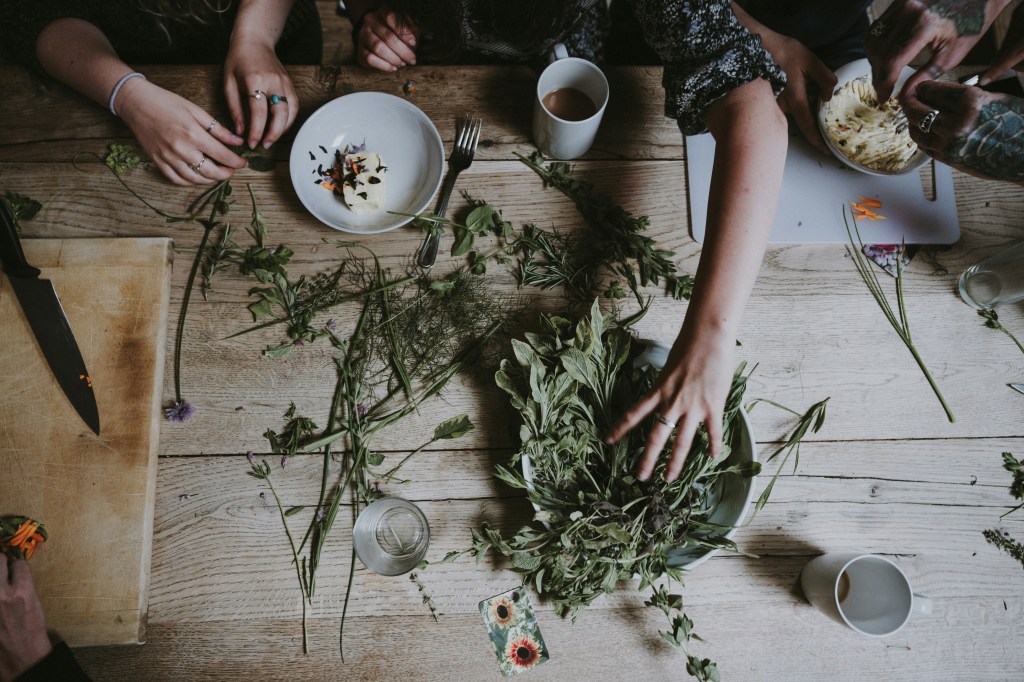
It seems the resurgence of this antiquated word is a reflection of the growing number of people reawakening to our ancestral wisdom of plant medicine or herbalism. The world of plants is every bit as fascinating as our relationship to them. Throughout our history until only just recently, it was our only resource for healing. Medicine women and men held and practiced this vital knowledge as village herbalists. Most of the herbalist apothecaries were cultivated in their own backyard. And soon the knowledge of plant medicine spread to everyday folk. 18th and 19th century homes frequently had what was referred to as a dooryard; a semi-enclosed space outside their back door where they would grow food and herbs, chop wood, and perform various other kitchen chores. But as time went on, the onset of grocery stores and medical advances slowly filled the need of growing an apothecary (along with the knowledge that came with one.) So why, in an age of modern medicine, is there such an increasing interest in a healing artform that many believe we have outgrown as a society? According to the Herbal Academy (of which I am currently enrolled studying herbalism) they believe that:
“Herbs, and plants in general, have sustained the health and wellbeing of humankind for tens of thousands of years. They are our allies in health and also our nourishment, shelter, clothing, and our inspiration for art and we are their caretakers and cultivators. Together, we are part of the beautiful and mysterious cycle of life. Quite simply, people and plants are meant for each other.”
When the world around us feels increasingly unsteady, turning to the wisdom of nature can be a uniquely grounding practice for many of us. Maybe we are tapping into embedded ancestral memory in our DNA. Or perhaps simply just witnessing the holistic properties of plants brings us back (and keeps us) in the present moment. Regardless of the reason – both working with plants and cultivating gardens are scientifically proven to be extremely beneficial to our nervous system.
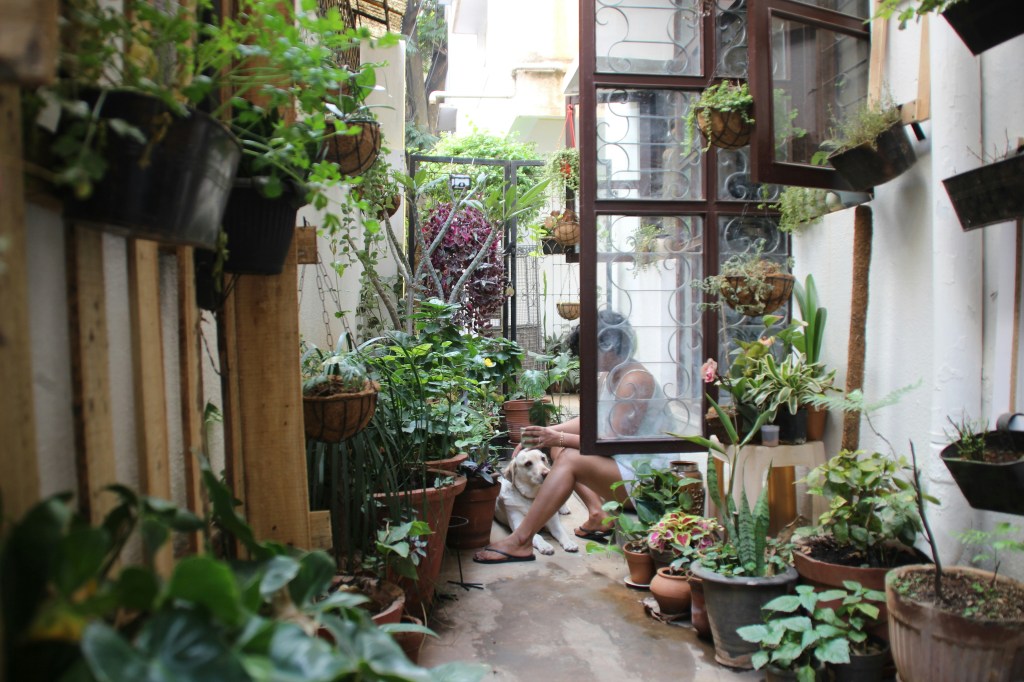
Yet growing plants and herbs is but one of many tools for nervous system regulation. There are multiple practices that we could access without having to look beyond our ‘own backyard’. Breathwork exercises, mindful meditation, and gentle yoga flows are all medicinal in their own right. They, too, can also add to our apothecary storehouse. For a modern day apothecary would need more than just herbs. Perhaps it’s because it’s no longer just our bodies that need healing. Our minds are filled with the chaos of our culture. Our hearts are searching for the true and authentic connection that has been lost to modern day survival or swallowed up by technology. And our souls are longing for a purpose, a roadmap, a feeling of belonging to something greater than ourselves.
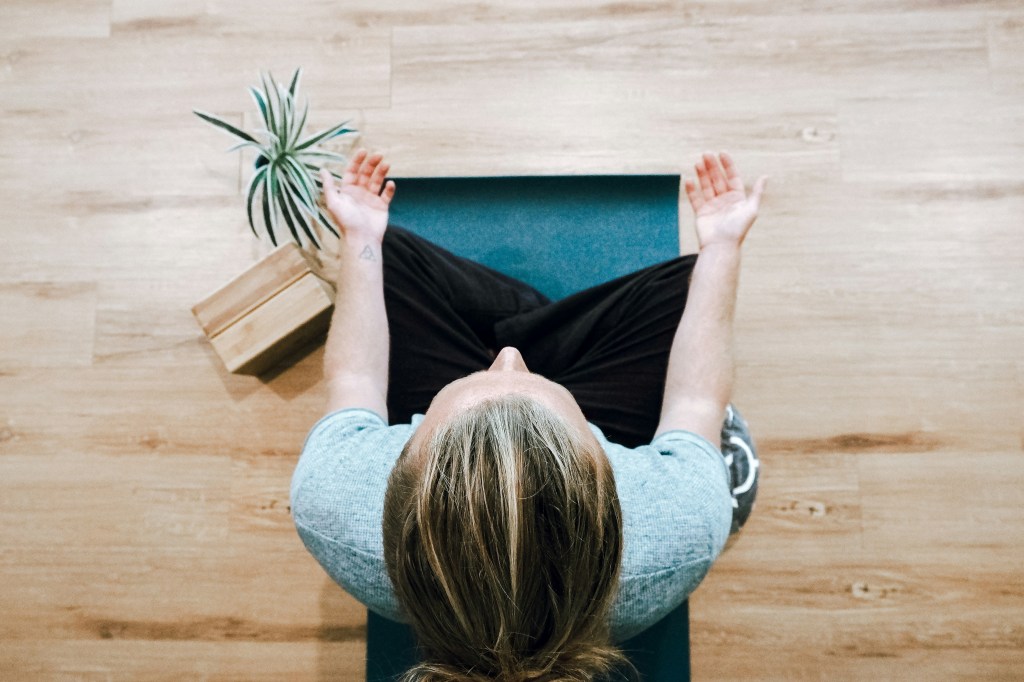
So as we navigate life in 20s, let’s reflect on our own personal apothecaries. How and with what we stock them with, what practices seem to be the most beneficial to have on hand, and if we have the required curiosity it takes to go from an eager apprentice to an experienced expert. To always be evolving, regardless of one’s personal pace. And then, just maybe, we can once again cultivate the foundational wisdom of our ancestors (mixed with the flavors of our modern day) that our posterity will one day build upon.
Written by Carolyn, Creatrix of the Dayton Wellness Collective
Interested in learning more? Join us for our Spring Workshop Saturday March 22nd 9a – 12p. More info here!
 Dayton Wellness Collective
Leave a comment